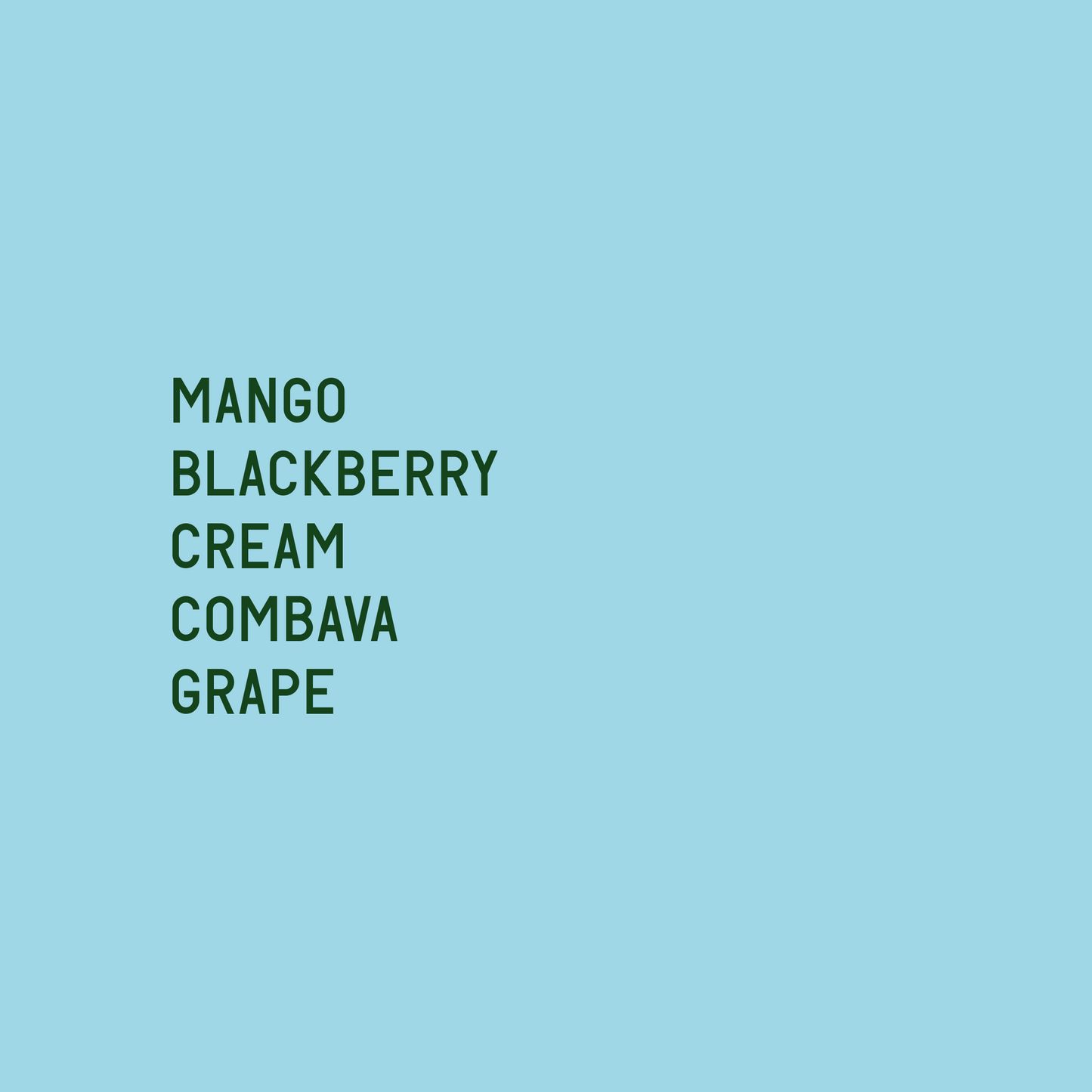
Datura
Gesha Village - Lot 26/E-24 Oma Anaerobic Natural
Gesha Village - Lot 26/E-24 Oma Anaerobic Natural
Couldn't load pickup availability
Origin: Ethiopia
Farm: Gesha Village Oma block
Altitude: 1931-2040 m
Variety: Gesha 1931
Process: Anaerobic Natural
Located in the Bench Maji region of Ethiopia, Gesha Village is one of the most renowned coffee estates in the world and plays a vital role in preserving the origins of the Gesha variety.
The project began in 2007, when Rachel Samuel and Adam Overton were studying Ethiopia’s coffee heritage and exploring the forests around Gori Gesha, the region where the famous Gesha variety originates. Fascinated by the exceptional genetic diversity of these wild coffees, they later established Gesha Village on land selected for its altitude, favorable climate, fertile soils, and natural coffee ecosystem.
Today, the estate combines meticulous coffee cultivation with a strong commitment to environmental conservation. Large areas of native forest are protected, thousands of indigenous shade trees have been planted, and ongoing research is conducted to better understand the genetics and cultivation of Gesha.
All the coffees we offer from Gesha Village come from the Gesha 1931 selection. This selection originates from wild coffee populations collected near the Gori Gesha forest and is closely related to the material gathered during the historic 1931 expedition that led to the famous Panamanian Gesha.
Grown between 1900 and 2100 meters above sea level, these coffees are distinguished by their purity, elegance, and remarkable aromatic complexity. Above all, they offer a direct connection to the Ethiopian roots of Gesha and the landscapes where its story began.
Process
Carefully sorted and floated, the cherries undergo an anaerobic fermentation in plastic barrels for 46 hours. Then, they are directly placed on raised African beds to dry for about 25 to 30 days. The coffee then rests for at least 2 months prior to milling, allowing the profile to fully stabilize and develop complexity.
Share